

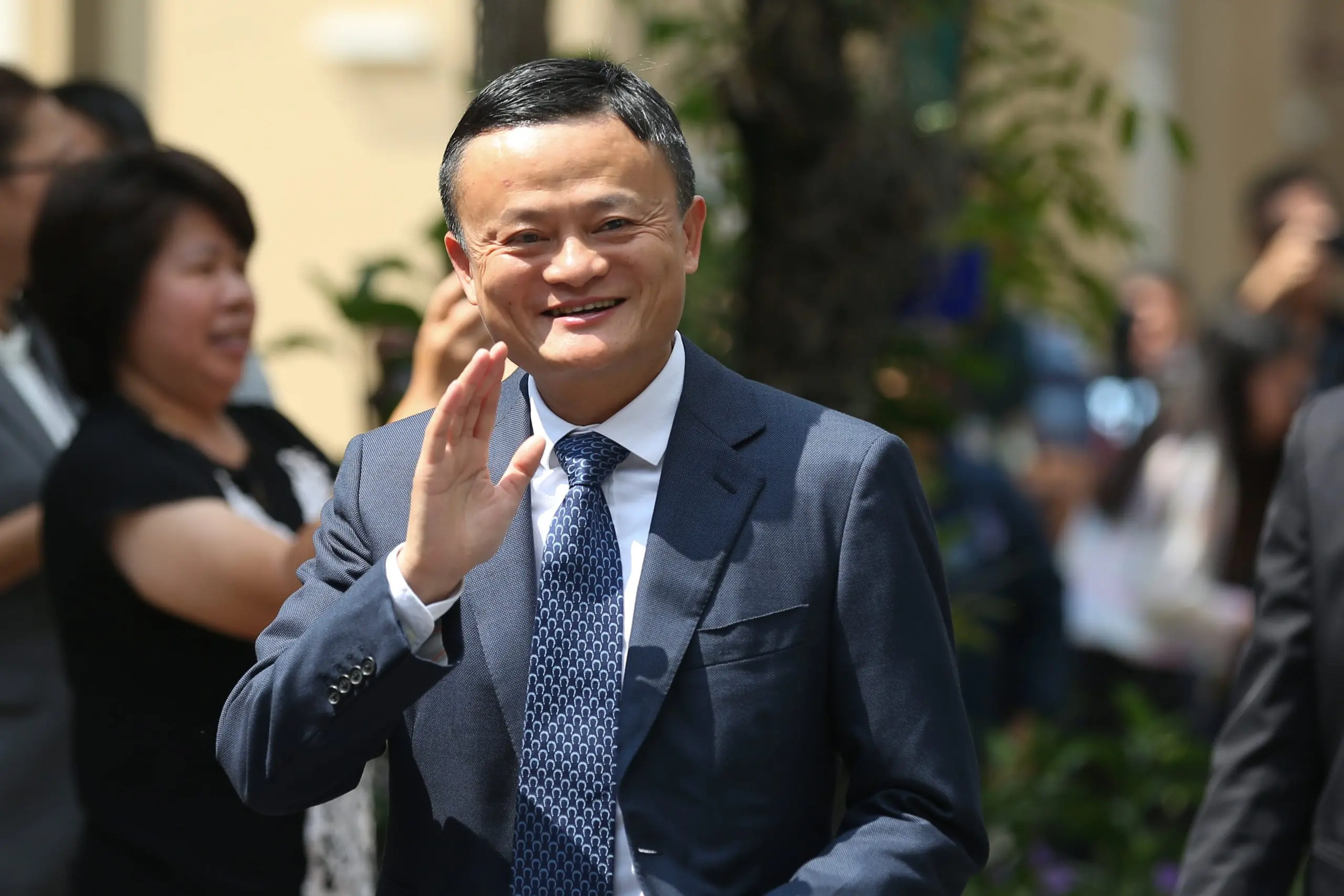
Jack Ma, the charismatic co-founder of Alibaba Group, was once the face of China's tech boom—a former English teacher who built an e-commerce empire and became the richest man in the country. But after a sharp public confrontation with Chinese regulators in October 2020, Ma vanished from the spotlight. According to reports from the Financial Times, he now resides in Tokyo, Japan, living a quiet, low-key life far removed from his previous celebrity status.
Ma's troubles began with a speech at a summit in Shanghai, where he criticized China's financial regulatory system, calling it a "pawn shop" mentality that stifled innovation. The remarks infuriated Beijing, leading to a sudden halt of the Ant Group's massive IPO—the largest ever planned—and a sweeping regulatory crackdown on Alibaba and other tech companies. Since then, Ma has rarely been seen in public, fueling intense speculation about his whereabouts.
For months, rumors placed Ma in various locations: a university in the Netherlands, his villa in Hong Kong, or even a private estate in the Middle East. The Financial Times, citing people familiar with the matter, confirmed that Ma has been living in Tokyo since late 2021. He reportedly keeps a low profile, spending time in thermal spas, ski resorts, and private members' clubs. He occasionally travels to the United States, Israel, and other countries, but always discreetly.
Jack Ma's journey from obscurity to billionaire began in 1999 when he founded Alibaba in his Hangzhou apartment with 17 friends. The company grew into a global giant, transforming Chinese retail and spawning subsidiaries like Taobao, Tmall, and Alibaba Cloud. Ma's entrepreneurial flair, often compared to that of Jeff Bezos or Elon Musk, made him a beloved figure. He stepped down as Alibaba's executive chairman in 2019 but remained a board member of the Jack Ma Foundation, focusing on philanthropy in education, the environment, and women's leadership.
However, the 2020 incident marked a turning point. The Chinese government launched an antitrust investigation into Alibaba and imposed a record $2.8 billion fine. The company's shares plunged more than 75% from their 2020 peak, slashing Ma's net worth from $61 billion to around $30.7 billion, according to the Bloomberg Billionaires Index. The broader tech crackdown also targeted Ant Group, Tencent, Meituan, and Didi Chuxing, reflecting Beijing's push for "common prosperity"—a policy aiming to reduce wealth inequality.
Living in Japan offers Ma a refuge from the intense scrutiny he faces in China. Japan, like China, had strict pandemic border controls, but recently eased entry requirements. Ma reportedly enjoys the anonymity Tokyo provides, away from the constant media attention. He is said to frequent exclusive clubs and maintain a small circle of friends. The move also distances him from China's ongoing zero-COVID lockdowns, which sparked widespread protests in late 2022.
Ma's current lifestyle contrasts sharply with his previous public persona. Before 2020, he was a regular at global tech conferences, performing quirky acts like dressing as a punk rocker, singing, and even sparring with Jet Li. Now, he avoids cameras and rarely issues public statements. His foundation continues to operate, but its activities are low-key. In a rare appearance, Ma was spotted in July 2022 at Wageningen University in the Netherlands, discussing agricultural technology.
The reasons behind Ma's self-imposed exile are clear: staying in China could invite further regulatory pressure or legal consequences. By living abroad, he reduces risks while maintaining influence through his foundation and investment vehicles. His retreat also symbolizes the shifting dynamics for China's super-rich, who now face stricter oversight and societal expectations to share their wealth.
Jack Ma's story is not just about one man's downfall; it reflects the broader transformation of China's tech sector. Once celebrated as engines of innovation, companies like Alibaba are now subject to state control and ideological alignment. Other founders, such as Pony Ma of Tencent and Zhang Yiming of ByteDance, have also stepped back from public roles. The era of high-profile tech moguls in China appears to be fading, replaced by a more subdued, compliant corporate culture.
Despite his reduced visibility, Ma's legacy endures. Alibaba remains a dominant e-commerce platform, and Ant Group continues to reshape digital finance under regulatory oversight. Ma's philanthropic work, particularly in rural education and environmental sustainability, continues through the Jack Ma Foundation. However, without his charismatic leadership, Alibaba and its peers face challenges in regaining investor confidence.
For now, Jack Ma seems content with his quiet life in Tokyo. He occasionally ventures to other countries for business or recreation, but always without fanfare. The man who once dreamed of building a company that could last 102 years now focuses on smaller, personal pursuits. Whether he will eventually return to China or re-enter the public eye remains uncertain. One thing is clear: the Jack Ma of 2022 is a far cry from the exuberant billionaire who thrilled audiences worldwide.
In Tokyo, Ma has found a haven where he can control his exposure. The city's blend of modernity and tradition, along with its vibrant private club scene, suits his need for discretion. He reportedly enjoys Japanese culture, especially the country's hot springs and winter sports. His wealth allows him to live comfortably, yet the shadow of his past missteps looms large. The Chinese government's message to big tech was unmistakable: even the most powerful tycoons are not above the party's authority.
As China's economy slows and its relations with the West deteriorate, Ma's exile serves as a cautionary tale. Business leaders who once courted government favor now tread carefully. The era of unfettered capitalism in China is over, replaced by a system that prioritizes state control and social stability over individual wealth accumulation. Jack Ma's story, from village schoolteacher to global icon to recluse, encapsulates this seismic shift.
Source: Business Insider News