

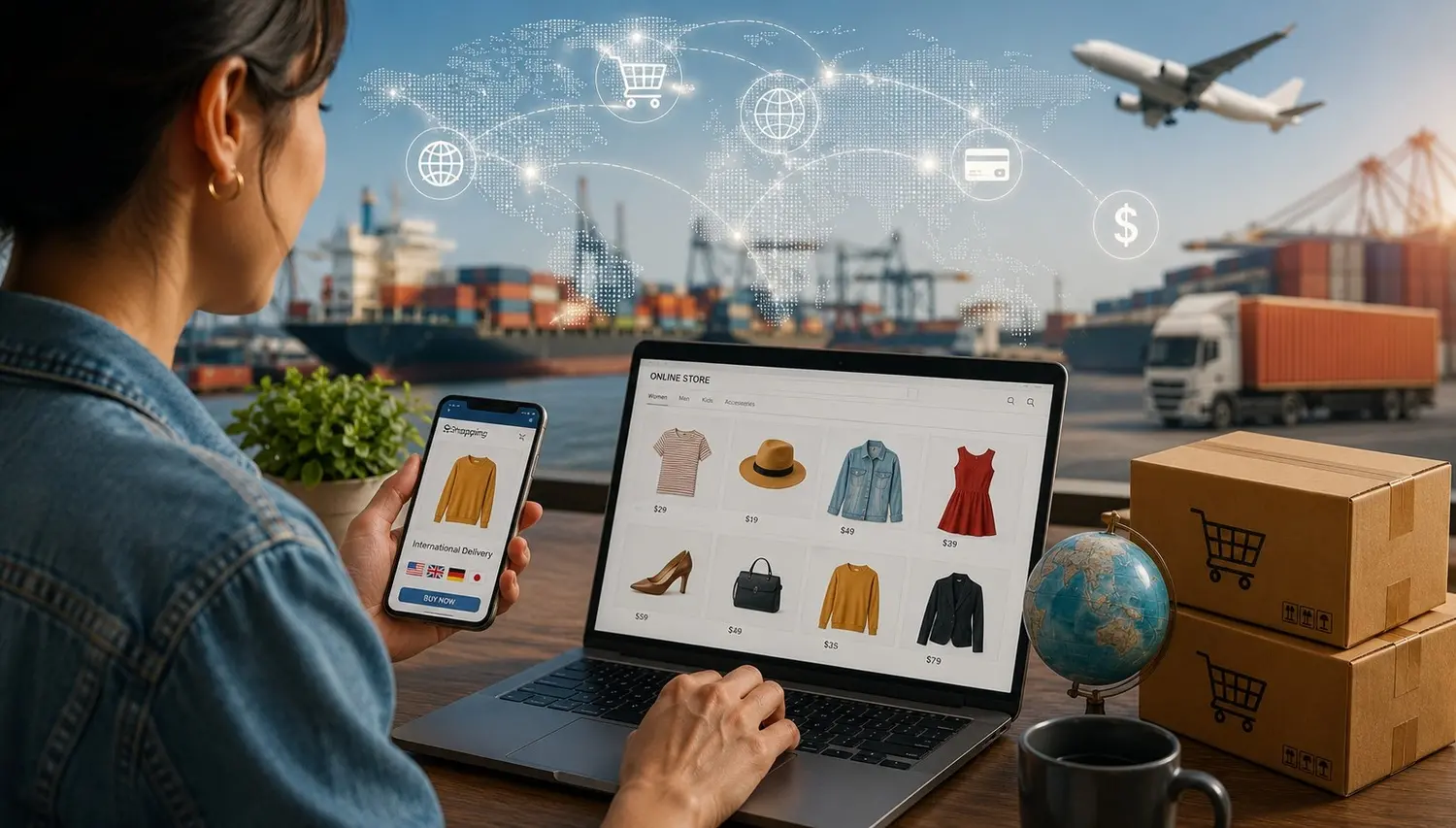
How cross border trade is changing consumer buying behaviour worldwide comes down to one simple reality: people now shop globally almost as naturally as they shop locally. Consumers compare prices internationally, follow overseas trends instantly, and expect products from different countries to arrive quickly and affordably.
Here’s the thing. Cross border trade isn’t just changing retail anymore. It’s changing how people think about brands, quality, value, and even trust.
How cross border trade is changing consumer buying behaviour worldwide can be seen through rising international online shopping, growing demand for foreign brands, price comparison habits, and faster global shipping expectations. In 2026, consumers increasingly prioritize convenience, product variety, affordability, and international access over traditional local-only shopping patterns.
What Is Cross Border Trade and Why Does It Matter?
Cross Border Trade: The buying and selling of goods or services between consumers and businesses located in different countries.
A decade ago, international shopping felt complicated for many people.
Now it feels routine.
Consumers regularly purchase electronics, fashion, skincare products, digital services, and household goods from international sellers without thinking twice about borders. Mobile commerce, global payment systems, and faster logistics changed expectations dramatically.
In my experience, younger consumers especially view global marketplaces as normal shopping environments rather than “international” experiences.
That distinction matters a lot.
Why Cross Border Trade Matters in 2026
Cross border commerce affects pricing, product availability, consumer loyalty, and shopping psychology across nearly every industry.
People don’t just compare local brands anymore.
They compare the entire world.
That creates massive pressure on businesses to stay competitive internationally, even if they only operate domestically.
Consumers Expect More Product Variety
What most people overlook is how quickly global access changes expectations.
Once consumers realize they can buy products from multiple countries easily, local retail limitations become more noticeable. Buyers increasingly search internationally for better pricing, unique products, higher quality, or niche trends unavailable locally.
That shift is especially visible in beauty, electronics, fashion, gaming, and specialty food categories.
One realistic example involved a small independent fashion brand gaining international demand through social media exposure. Consumers in multiple countries began purchasing directly because they wanted styles unavailable in local stores.
Cross border access created entirely new audiences.
Social Media Accelerates Global Buying Trends
Consumers now discover products globally within seconds.
A viral product trend in one country can influence buying behaviour worldwide almost immediately. Social media platforms shortened the time between product discovery and international purchasing dramatically.
Honestly, this speed still surprises a lot of traditional retailers.
Consumer attention moves incredibly fast now.
Price Transparency Changed Consumer Expectations
Global commerce allows buyers to compare international pricing much more easily.
Consumers often research multiple countries before purchasing expensive items. If local prices appear unreasonable, people increasingly search internationally for alternatives.
That transparency creates pricing pressure for businesses everywhere.
Faster Shipping Reduced Psychological Barriers
Years ago, international shopping felt risky partly because delivery times were unpredictable.
That changed.
Modern logistics systems, regional warehouses, and improved tracking technology made international purchasing feel more reliable and accessible.
Consumers now expect speed regardless of where products originate.
That expectation is hard to reverse.
How Cross Border Trade Influences Consumer Decisions — Step by Step
Modern consumers usually follow more globally connected shopping patterns than businesses sometimes realize.
1. Consumers Discover Products Internationally
Social media creators, video platforms, online reviews, and global advertising expose consumers to products from different countries constantly.
People no longer rely only on local retail exposure.
2. Buyers Compare Prices Worldwide
Consumers increasingly use international marketplaces and currency conversion tools to evaluate pricing differences across countries.
Sometimes savings are substantial.
Sometimes they’re not.
But consumers still check.
3. Customers Research Reviews and Authenticity
Trust matters heavily in cross border shopping.
Buyers often spend more time reading reviews, checking shipping policies, and verifying product authenticity before purchasing internationally.
4. Consumers Prioritize Convenience
Simple checkout systems, localized payment methods, and transparent shipping policies strongly influence international purchase decisions.
Complicated buying experiences lose customers quickly.
5. Buyers Expect Faster Delivery
Consumers increasingly expect international shipping speeds that feel almost domestic.
That expectation creates huge operational pressure for global sellers.
Common Misconception About Cross Border Trade
A lot of people assume only luxury shoppers buy internationally.
That’s outdated thinking now.
Budget-conscious consumers often shop globally because they believe they’ll find better prices or unique deals unavailable locally. Cross border commerce increasingly serves mainstream buyers rather than niche audiences.
Another misconception is that consumers remain loyal to domestic brands automatically.
Honestly, brand loyalty became more fragile once international alternatives became easier to access.
Consumers switch faster than before if pricing, quality, or convenience improves elsewhere.
The Emotional Side of Global Consumer Behaviour
Shopping has become part entertainment, part identity, and part social experience.
People increasingly purchase products internationally because global access feels exciting, personalized, or culturally connected. Consumers enjoy discovering products tied to international trends or lifestyles they admire online.
I remember hearing from a buyer who regularly ordered specialty skincare products internationally because local options felt “boring and repetitive.” That comment might sound small, but it reflects a broader behavioral shift.
Consumers now expect global choice.
Not just local availability.
Expert Tips and What Actually Works
From what I’ve seen, businesses succeeding in cross border commerce usually focus on three things.
Localized customer experience.
Transparent pricing.
And fast communication.
Consumers might tolerate slightly longer shipping times if businesses communicate clearly and build trust early. But uncertainty? That drives people away quickly.
Expert Tip
Brands that adapt product descriptions, payment systems, and customer service to regional audiences often outperform businesses simply translating websites without understanding local buying behaviour.
Why Small Businesses Benefit From Cross Border Trade Too
Large corporations obviously dominate global commerce headlines.
But smaller businesses benefit significantly too.
Independent sellers, niche product creators, and regional brands can now reach international audiences through digital platforms without building physical stores abroad.
That accessibility changed entrepreneurship quite a bit.
One small handmade accessories business reportedly expanded internationally after social media exposure attracted overseas demand. International customers eventually became a larger revenue source than domestic buyers.
Pretty remarkable, honestly.
Cross Border Trade and Consumer Trust
Trust has become one of the most valuable parts of international commerce.
Consumers worry about counterfeit products, shipping issues, refund policies, and hidden fees. Businesses that simplify these concerns often gain long-term customer loyalty faster.
Here’s a slightly counterintuitive point: consumers sometimes trust smaller international niche brands more than massive marketplaces because personalized communication feels more authentic.
That emotional factor matters.
The Future of Cross Border Consumer Behaviour
By 2030, global commerce will probably feel even more seamless.
AI-supported translation tools, automated logistics, localized payment systems, and predictive delivery networks are already making international shopping easier than before.
Still, consumers will likely become more selective too.
People increasingly care about sustainability, ethical sourcing, product authenticity, and transparency alongside pricing and convenience.
Global access alone won’t guarantee loyalty anymore.
People Most Asked About Cross Border Trade
What is cross border trade?
Cross border trade refers to buying and selling goods or services between businesses and consumers located in different countries.
Why are consumers shopping internationally more often?
Consumers now have easier access to global products through e-commerce platforms, faster shipping systems, and digital payment technologies.
How does social media affect cross border shopping?
Social media exposes consumers to international products, trends, and brands quickly, influencing buying decisions worldwide.
What challenges exist in cross border commerce?
Shipping delays, customs fees, counterfeit concerns, currency fluctuations, and return policies remain common challenges for international buyers.
Are consumers loyal to local brands anymore?
Many still support local businesses, but international competition has increased consumer willingness to switch brands for better value or product variety.
Why is trust important in global e-commerce?
Consumers need confidence in product authenticity, payment security, shipping reliability, and customer service when purchasing internationally.
How do businesses improve cross border sales?
Successful businesses usually localize payment options, improve communication, simplify logistics, and provide transparent pricing information.
Will cross border trade continue growing globally?
Probably yes. Digital commerce, mobile shopping, and international logistics improvements continue making global purchasing more accessible for consumers worldwide.
Businesses, startups, agencies, bloggers, and SEO professionals aiming to improve digital growth can strengthen brand visibility through online press release distribution combined with targeted local SEO services. These platforms help businesses secure high authority backlinks, improve SEO ranking, increase organic traffic, and gain wider media coverage through instant publishing opportunities designed for competitive global markets.