

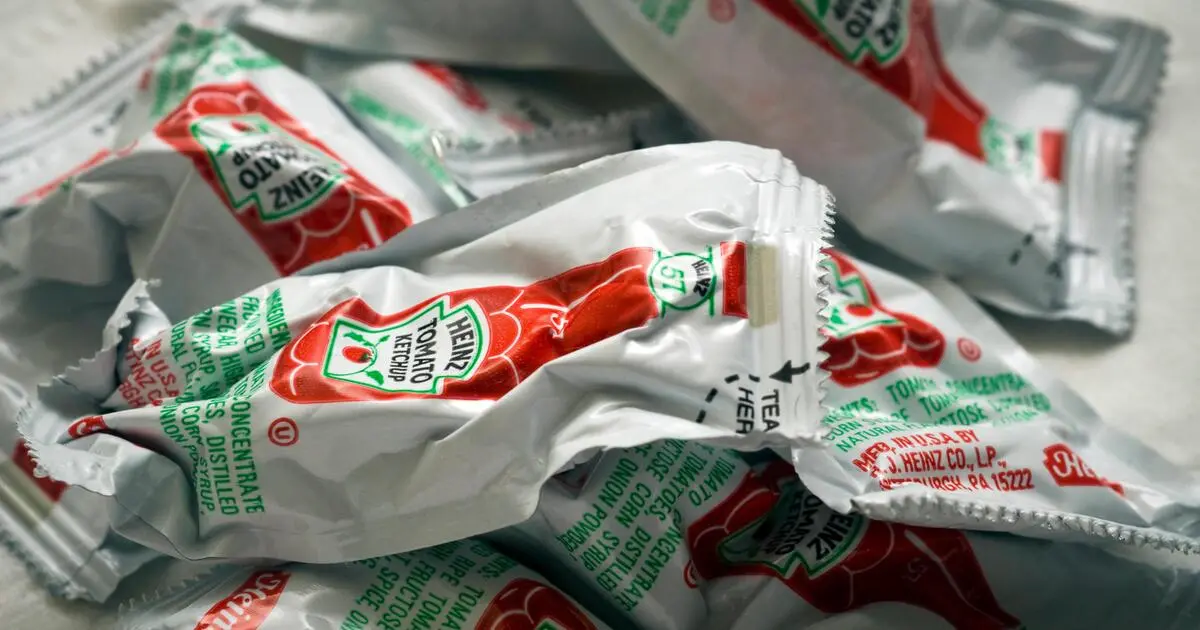
The familiar sight of small plastic ketchup, mayonnaise, and mustard packets on restaurant tables across Europe is heading toward extinction. Under a sweeping new European Union regulation, these single-use condiment sachets will be banned from indoor dining areas starting January 1, 2030. The measure is part of the EU's broader Packaging and Packaging Waste Regulation (PPWR), a comprehensive legal framework aimed at reducing packaging waste, promoting recyclability, and moving toward a circular economy.
What the PPWR Entails
The PPWR, formally in force since February 2025, introduces a phased timeline of requirements. The first deadline falls on August 12, 2026, when companies must begin demonstrating compliance with new packaging standards. This includes proper labeling, a ban on certain hazardous substances like per- and polyfluoroalkyl substances (PFAS) in food packaging, and proof that packaging meets recyclability criteria. According to the auditing firm dhpg, businesses that fail to document compliance by this date face fines of up to €200,000.
The most visible change for consumers will come in 2030, when single-serving plastic sachets for condiments, dressings, sugar, salt, pepper, jams, and coffee creamer are prohibited in establishments where food is consumed on-site. This ban applies to restaurants, cafés, bars, beer gardens, snack stands, and similar venues. The regulation specifically targets packaging that is designed for immediate consumption and is typically discarded after a single use.
Background and Rationale
The European Commission estimates that packaging waste in the EU has increased by more than 20% over the past decade, reaching nearly 80 million tonnes in 2021. Of this, plastic packaging accounts for a significant share, and much of it is difficult to recycle due to contamination and small sizes. Condiment sachets, often made from multi-layer plastics, are particularly problematic because they are rarely collected separately and frequently end up in landfills, incinerators, or the environment. The PPWR is a cornerstone of the European Green Deal and the Circular Economy Action Plan, which set ambitious targets for making all packaging recyclable by 2030 and reducing per capita waste generation.
Small format packaging like ketchup packets poses a unique challenge. Their small size makes them easily littered, and recycling facilities often cannot process them because they jam machinery or contain residue. The new regulation aims to eliminate unnecessary packaging at the source, forcing the industry to adopt reusable, refillable, or compostable alternatives.
Alternatives for Restaurants and Cafés
Gastronomy operators will need to pivot to more sustainable options. For sauces and condiments, refillable pump dispensers or squeeze bottles are the most straightforward solution. Jams and preserves can be served in small glass jars, ceramic pots, or edible wafer cups. Sugar can be offered in bowls or paper sachets (though paper sachets may also face scrutiny under future revisions). Milk and cream for coffee can be provided in reusable ceramic or glass pitchers rather than plastic mini cups. Many fast-food chains have already begun trialing bulk dispensers in select markets, although critics argue that hygiene and cross-contamination risks must be carefully managed.
Industry associations have voiced concerns about the transition. They point out that open condiment stations can become breeding grounds for bacteria if not cleaned rigorously, especially in high-turnover establishments frequented by tourists. Operators will need to invest in training, more frequent cleaning schedules, and tamper-evident designs to ensure food safety. Small businesses, in particular, may struggle with the upfront costs of replacing single-use packaging with reusable systems.
Exemptions and Takeaway Service
Notably, the ban does not extend to takeaway or delivery orders. Customers who order food for off-site consumption—such as takeout from a fast-food restaurant, meal delivery services, or food trucks—will still receive condiment packets in their bags. This exemption aims to avoid penalizing business models that rely on single-serving packaging for transport. However, the European Commission has signaled that this exception may be reviewed after a few years, potentially bringing takeaway packaging under similar restrictions.
Healthcare facilities, such as hospitals and nursing homes, are also granted temporary exemptions to ensure patients have access to individually portioned and hygienically sealed condiments and medications. These exceptions are likely to remain in place until suitable alternatives are proven safe and effective in clinical settings.
Broader Impact of the Regulation
The PPWR targets more than just condiment packets. From 2030, the following items will also be banned or heavily restricted:
- Plastic nets used for packaging fruits and vegetables weighing less than 1.5 kilograms.
- Plastic shrink wrap on cucumbers, which serves primarily as a marketing tool rather than a preservative.
- Miniature single-use plastic bottles for shampoos, shower gels, lotions, and toothpaste in hotels.
- Very lightweight plastic carrier bags (below 15 microns) unless required for hygiene reasons.
These measures aim to cut down on the most egregious forms of unnecessary plastic packaging. The hotel industry, for instance, has already seen many chains shift to bulk dispensers mounted in showers or refillable glass bottles, but smaller hotels and B&Bs may need to adapt quickly. The European Travel Commission has published guidelines to help accommodation providers transition before the deadline.
Implementation Challenges and Enforcement
Enforcement of the PPWR is delegated to EU member states, each of which must transpose the regulation into national law and designate competent authorities to conduct inspections and impose penalties. The harmonized framework aims to prevent a patchwork of national rules that could hinder the single market. Nevertheless, differences in interpretation and enforcement capacity are expected. Some countries, such as Germany and France, have already adopted ambitious national packaging laws that exceed EU minimum requirements, while others may lag behind.
Businesses will need to maintain records of their packaging composition, recyclability, and compliance declarations for each item placed on the market. The documentation must be made available to authorities upon request. Non-compliance can lead to fines, withdrawal of products from the market, and even criminal liability in severe cases of negligence. Small and medium-sized enterprises (SMEs) are encouraged to seek guidance from local chambers of commerce and industry associations to navigate the new rules.
Environmental and Economic Implications
Proponents of the PPWR argue that the long-term environmental benefits far outweigh the transitional costs. Removing billions of small plastic sachets from circulation each year could prevent thousands of tonnes of plastic waste from entering the environment. According to EU estimates, the regulation as a whole could save €6 billion per year in avoided litter cleanup, landfill fees, and resource extraction. The shift to reusable or refillable systems also creates new business opportunities for packaging manufacturers and service providers specializing in reusable container logistics.
Consumer attitudes are also shifting. Surveys have consistently shown strong public support for reducing plastic waste, particularly in the context of food service. Many customers are willing to accept minor inconveniences—such as using a shared ketchup dispenser—if it helps the planet. However, behavioral change will take time and education. Restaurants can turn the transition into a marketing asset by prominently advertising their switch to reusable condiment solutions.
Critics, however, warn about unintended consequences. The ban may drive an increase in the use of non-plastic alternatives that have higher carbon footprints, such as aluminum foil sachets or multi-layer paper-plastic composites that are difficult to recycle. Lifecycle assessments must be carefully considered to ensure that replacements are genuinely more sustainable. Additionally, the exemption for takeaway packaging could create a perverse incentive for restaurants to shift more sales to the takeaway channel to circumvent the dine-in ban, potentially undermining waste reduction goals.
The plastic packaging industry is also likely to face disruption. Small sachet producers may need to pivot to producing larger bulk containers or specialized recyclable materials. Some may exit the market altogether. The European Plastics Pact and similar initiatives bring together producers, retailers, and governments to design new packaging formats that are both functional and circular. Innovation is accelerating in areas like edible coatings, reusable silicone pouches, and dissolvable packaging made from seaweed.
Future Outlook
The PPWR is a living regulation that will be updated periodically as new scientific evidence and technological innovations emerge. The European Commission has already announced plans to review the exemptions and to consider extending the ban to other single-use packaging items, such as plastic straws, stirrers, and cutlery (though these were already targeted in the 2019 Single-Use Plastics Directive). After 2030, the focus may shift to composite materials, multi-material laminates, and non-recyclable plastic blends used in household cleaning and beauty products.
For the average consumer enjoying a meal out, the most immediate takeaway is that the familiar plastic ketchup packet will soon become a relic of the past. By 2030, the restaurant table will look different—perhaps cleaner, with fewer items to throw away. The transition, however, is not without its challenges, and the coming years will test the adaptability of the entire food service supply chain. As the countdown to 2030 begins, operators, manufacturers, and diners alike are being asked to rethink their relationship with single-use packaging and embrace a more sustainable culinary experience.
Source: Die heutigen Nachrichten News