

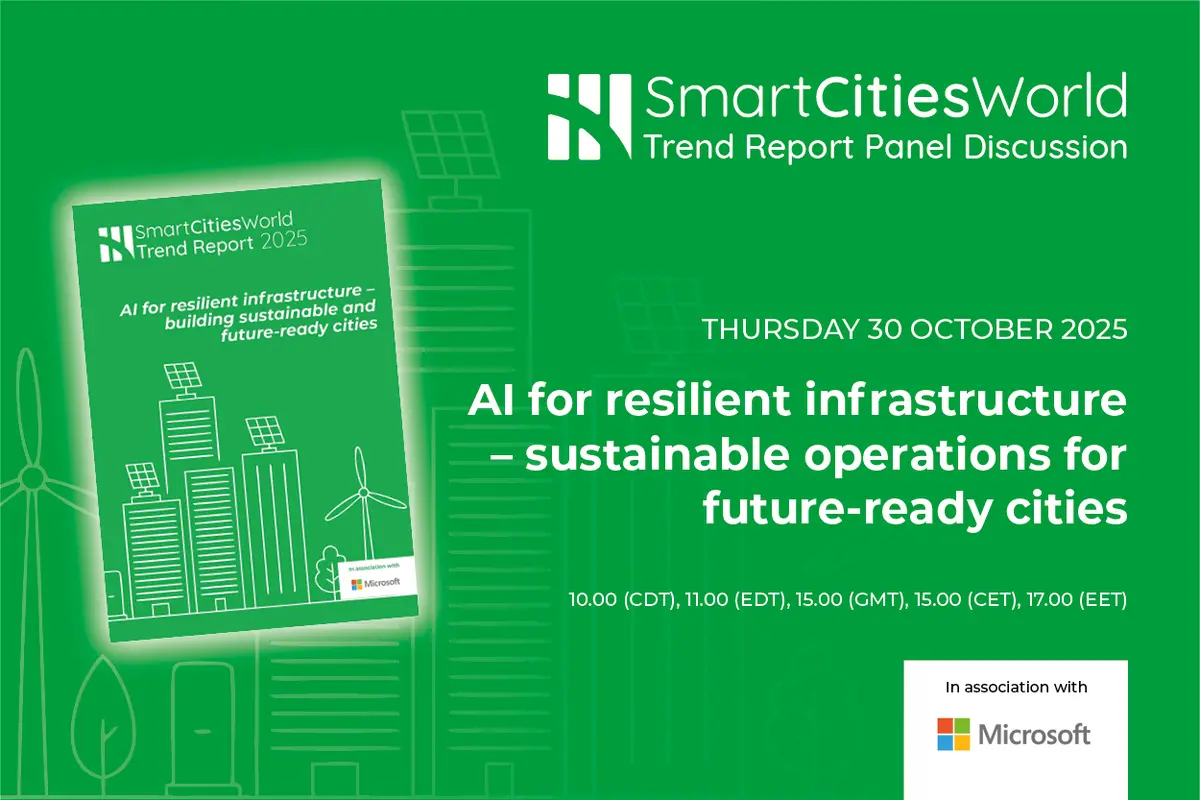
The convergence of artificial intelligence, digital twins, and urban infrastructure is reshaping how cities operate, plan, and respond to the challenges of the 21st century. In a recent trend report panel discussion, industry leaders and city officials gathered to examine how AI-powered digital twins are enabling more resilient infrastructure and sustainable operations for future-ready cities. The conversation highlighted transformative applications in transport networks, smart lighting, sensor networks, and citywide data integration, while also addressing critical issues such as cybersecurity, interoperability, and inclusive governance.
Understanding AI-Powered Digital Twins for Urban Infrastructure
A digital twin is a virtual replica of a physical system that uses real-time data, AI models, and simulation to mirror its real-world counterpart. In urban contexts, digital twins can represent entire city districts, transportation networks, energy grids, or individual buildings. By integrating data from IoT sensors, satellite imagery, traffic cameras, and utility meters, these intelligent models allow city managers to test scenarios, predict failures, optimize resource allocation, and improve decision-making. The panel emphasized that the true power of digital twins lies in their ability to turn fragmented urban data into actionable insights, ultimately driving efficiency, resilience, and sustainability. For example, a city can simulate the impact of a flood on its drainage system, adjust traffic signals in response to an accident, or plan energy distribution for a heatwave — all within a virtual environment before any physical intervention is required.
The discussion also touched on how AI enhances digital twins by learning patterns from historical and streaming data. Machine learning algorithms can identify anomalies, forecast maintenance needs, and suggest optimal interventions. This predictive capability is crucial for building resilient infrastructure that can withstand climate events, population growth, and resource constraints. Panelists noted that cities investing in digital twins are already seeing improvements in operational efficiency, reduced downtime, and more informed policy decisions.
Transforming Urban Transport with Data and AI
A significant portion of the panel focused on urban transport networks. Cities around the world are deploying AI and data analytics to support planning, day-to-day operations, and community outcomes. For instance, AI-powered traffic management systems analyze real-time vehicle flows, pedestrian movements, and public transit data to adjust signal timings, reduce congestion, and prioritize emergency vehicles. Digital twins of transit systems enable transit authorities to simulate schedule changes, route modifications, and fare policies before implementation. The panel highlighted that these innovations not only improve travel times and reduce emissions but also enhance safety for vulnerable road users. In cities like Dublin, digital twin projects are helping to reduce traffic while supporting economic growth. By integrating data from multiple sources — including sensors, GPS, and ticketing systems — AI models can predict demand patterns and optimize service frequencies. The result is a more responsive and equitable transport network that better serves passengers and communities. The panel also discussed the importance of data governance and privacy, ensuring that passenger data is used ethically and transparently.
Smart Lighting and Cybersecurity in Urban Networks
The panel explored a special segment on smart lighting, part of a series titled “Cities Thriving on Lighting.” Global cities are approaching smart lighting as an entry point for broader infrastructure modernization. Smart streetlights equipped with sensors, cameras, and connectivity can adjust brightness based on weather or pedestrian activity, reduce energy consumption, and serve as nodes for other smart city applications such as environmental monitoring, public Wi-Fi, and traffic detection. However, as lighting networks become connected, they also introduce new cybersecurity risks. Panelists warned that without robust security protocols, these systems could be vulnerable to attacks that disrupt essential services. The second episode of the series delved into the technology and considerations behind turning existing streetlight networks into secure, interoperable, and future-proof infrastructure. Key recommendations include adopting industry standards, encrypting data transmissions, and implementing regular security audits.
The discussion also touched on the UN Virtual Worlds Day event, which focuses on harnessing AI, spatial intelligence, and the Citiverse ecosystem to achieve trusted, people-centered outcomes. Paul Wilson, a speaker at the event, invited participants to join the conversation about how virtual worlds can support urban planning and citizen engagement.
City Profiles: Sunderland and Dublin Lead the Way
Two city profiles featured prominently in the panel: Sunderland and Dublin. Sunderland is repositioning itself as a leading smart city by leveraging digital infrastructure and low-carbon innovation. The city’s strategy emphasizes resilience and a future-focused economy, with projects that include a smart energy grid, electric vehicle charging networks, and digital inclusion programs. Sunderland’s approach demonstrates how smaller cities can punch above their weight by focusing on partnerships, data sharing, and community involvement. Dublin, on the other hand, is innovating across multiple fronts: digital twin projects that model the city’s traffic patterns, initiatives to reduce congestion, and public-private collaborations to drive economic growth. The Dublin profile highlights how city governments can use data dashboards and predictive analytics to improve services and experiences for residents and visitors alike. Both cities serve as case studies for the panel’s broader theme: that resilient infrastructure requires both technological investment and human-centered design.
Interoperability, Inclusivity, and Governance
ITU’s Cristina Bueti delivered a strong message: cities must prioritize interoperability, inclusivity, and human oversight now, before fragmented systems and vendor lock-in define the future of urban AI. She argued that without open standards and transparent procurement, cities risk becoming dependent on proprietary solutions that limit flexibility and innovation. Interoperability ensures that different systems — from traffic management to emergency response — can communicate and coordinate effectively. Inclusivity means involving all stakeholders, including marginalized communities, in the design and deployment of smart city technologies. Human oversight is essential because AI decisions can have life-or-death consequences in infrastructure contexts. Bueti’s call to action resonated with the panel, as several speakers shared examples of projects that stumbled because of siloed data or lack of stakeholder engagement. The consensus was that a governance framework, including ethical guidelines and public accountability mechanisms, is non-negotiable for sustainable urban transformation.
Sensor Networks and Indoor Safety
The discussion also covered the role of smart sensor networks in improving indoor safety. Sensors that detect smoke, gas leaks, structural vibrations, or occupancy patterns can provide early warnings and situational awareness in buildings. By integrating sensor data with AI algorithms, facility managers can identify risks before they escalate, support healthier environments, and reduce energy waste. The panel noted that such networks are particularly valuable in schools, hospitals, and public buildings where safety is paramount. AI can analyze trends over time to recommend maintenance schedules or system upgrades, further enhancing resilience. The convergence of sensor data and digital twins allows for a holistic view of both outdoor and indoor urban spaces, enabling cities to respond proactively to emergencies and improve quality of life.
Webinars and Continuous Learning Resources
To support ongoing learning, the panel highlighted two on-demand webinars. The first, titled “Getting your data strategy right for smarter sites and safer operations,” focuses on how organizations can collect, manage, and analyze data to improve site performance and security. The second, “How sensors, AI, and digital twins can shape the future of urban transport,” dives deeper into the transport use cases discussed earlier. Both webinars are available for replay and provide practical guidance for city planners, IT managers, and policymakers. Additionally, the panel promoted the SmartCitiesWorld Newsletters, which deliver daily or weekly updates to subscribers. The editorial newsletter compiles the latest news, city interviews, special reports, and guest opinions, offering a curated view of the smart city landscape. These resources are designed to help professionals stay informed about emerging trends, best practices, and case studies from around the world.
As the panel concluded, the overarching message was clear: AI and digital twins are not just futuristic concepts but practical tools that cities are using today to build more resilient infrastructure. From reducing traffic congestion and cutting energy costs to enhancing public safety and promoting economic growth, the benefits are tangible. However, success depends on a collaborative approach that includes strong governance, open standards, and a commitment to inclusivity. Cities that act now to integrate these technologies with a focus on people and sustainability will be best positioned to thrive in an era of rapid urbanization and climate change.
Source: Smart Cities World News