

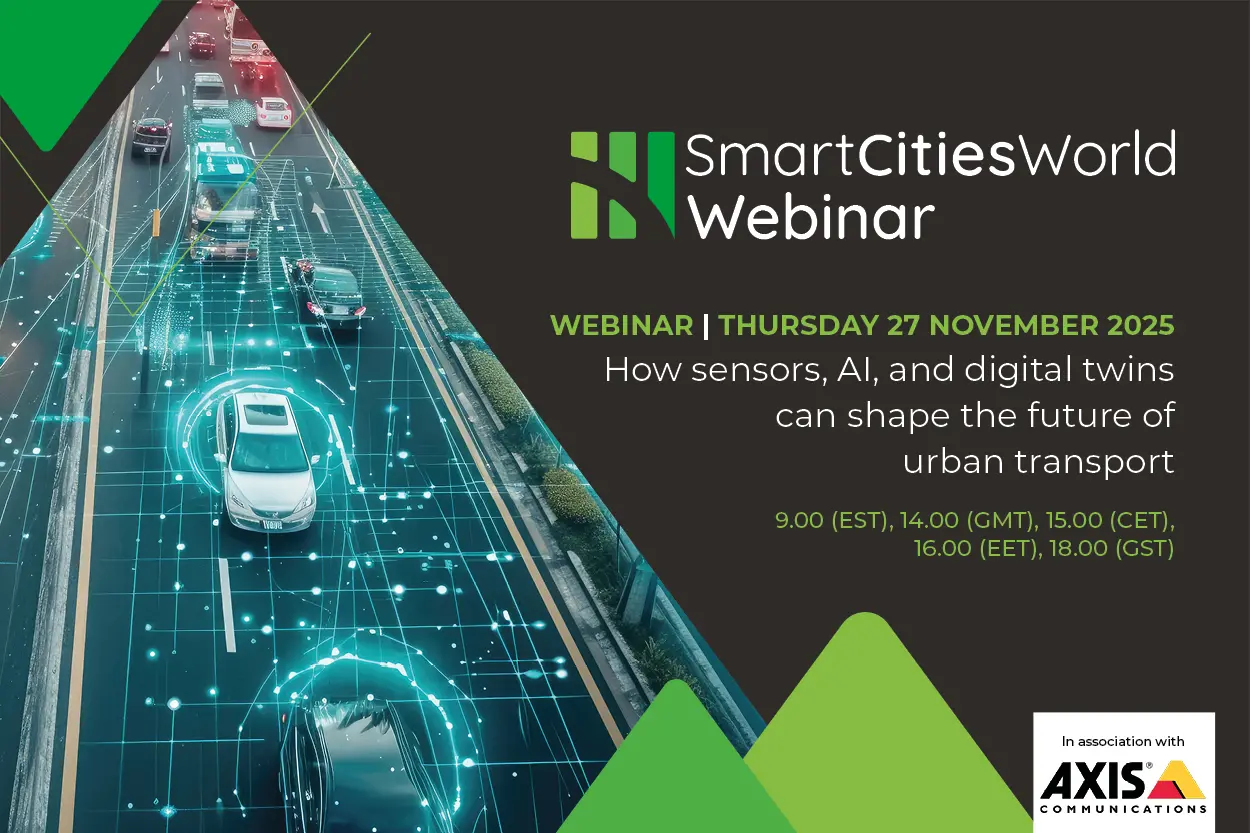
The Rise of AI-Powered Digital Twins in Urban Transport
Urban transport networks are undergoing a profound transformation as cities around the world embrace the power of sensors, artificial intelligence (AI), and digital twins. These technologies are no longer experimental—they are becoming foundational tools for planners, operators, and policymakers who seek to improve efficiency, resilience, and sustainability in increasingly complex urban environments. A digital twin is a virtual replica of a physical system—such as a road network, a metro line, or an entire city—that continuously ingests real-time data from sensors, cameras, and IoT devices. By feeding this data into AI models, city officials can simulate scenarios, predict congestion, optimize energy use, and even test emergency responses before implementing changes in the real world.
How Data and AI Are Transforming Operations
In the day-to-day management of urban transport, data and AI are being used to support everything from dynamic traffic signal timing to predictive maintenance of infrastructure. For example, AI algorithms can analyze historical and real-time traffic patterns to identify bottlenecks and suggest alternative routing, reducing travel times and emissions. Meanwhile, sensor networks embedded in roads, bridges, and public transit vehicles provide continuous feedback on wear and tear, enabling proactive repairs that prevent costly disruptions. The result is a more responsive and adaptive transport system that can learn and evolve over time.
Interoperability: A Key Priority for Cities
According to Cristina Bueti of the International Telecommunication Union (ITU), cities must prioritize interoperability, inclusivity, and human oversight as they integrate AI into urban services. Without these safeguards, fragmented systems and vendor lock-in could define the future of urban AI, limiting flexibility and creating digital divides. Bueti emphasizes that standards and open data architectures are essential to ensure that different systems—traffic management, public transit, environmental monitoring—can communicate and share information seamlessly. This is especially critical as cities deploy AI at scale, because a lack of interoperability can lead to siloed solutions that fail to deliver holistic benefits.
Case Study: Sunderland’s Smart City Transformation
One city that is actively repositioning itself as a smart city leader is Sunderland, UK. Through a combination of digital infrastructure, low-carbon innovation, and public-private partnerships, Sunderland is building a resilient, future-focused economy. The city has deployed intelligent lighting, smart sensors for waste and water management, and a city-wide data platform that underpins multiple services. This integrated approach allows Sunderland to use real-time data to improve traffic flow, reduce energy consumption, and enhance the quality of life for residents. The Sunderland City Profile, featured in SmartCitiesWorld, details how the city is using these tools to attract investment and create a sustainable urban ecosystem.
Case Study: Dublin’s Digital Twin Projects and Traffic Reduction
Similarly, Dublin is innovating to improve experiences and services for its communities. The city has launched several digital twin projects that model everything from pedestrian flows to energy grids. Dublin is also tackling traffic reduction through AI-driven signal optimization and encouraging modal shifts to public transit and cycling. The Dublin City Profile highlights how these efforts are cutting congestion, reducing carbon emissions, and creating a more livable urban core. Dublin’s approach underscores the importance of using digital twins not just for simulation, but as collaborative platforms where city departments, businesses, and citizens can co-design solutions.
The Role of Smart Lighting in Secure, Interoperable Infrastructure
Smart lighting is often the entry point for cities exploring IoT and sensor networks. The final episode of the series “Cities Thriving on Lighting” explores how global cities are approaching smart lighting and the related cybersecurity risks. Modern LED streetlights can be fitted with sensors for air quality, noise, and motion, turning them into multipurpose data hubs. However, as the second episode of the series explains, cities must consider how to turn existing streetlight networks into secure, interoperable, and future-proof infrastructure. This involves choosing open standards, implementing robust encryption, and ensuring that legacy systems can integrate with new technologies.
Virtual Worlds and the Citiverse Ecosystem
The concept of the “Citiverse”—a digital universe for cities—is gaining traction. The UN Virtual Worlds Day event, as described by Paul Wilson, will explore how AI, spatial intelligence, and the Citiverse ecosystem can be turned into trusted, people-centred outcomes. This initiative brings together governments, tech companies, and civil society to develop ethical frameworks for virtual urban environments. By combining digital twins with augmented and virtual reality, cities can offer immersive experiences for public consultation, tourism, and education, all while ensuring data privacy and security.
Sensor Networks for Indoor Safety
Beyond outdoor transport, smart sensor networks are enhancing indoor safety in public buildings, transit stations, and airports. By detecting risks such as smoke, chemical leaks, or unauthorized access early, these systems improve situational awareness and support healthier, more secure and sustainable buildings. In transport hubs, sensors can monitor crowd density and guide passengers to less congested areas, reducing the spread of disease and improving flow. Integrating indoor sensing with outdoor traffic data creates a seamless picture of mobility across the entire urban environment.
AI for Resilient Infrastructure: OnDemand Panel Discussion
The article also references an OnDemand Trend Report Panel Discussion titled “AI for resilient infrastructure – sustainable operations for future-ready cities.” This discussion likely covers how AI can help cities anticipate and respond to shocks—such as extreme weather, pandemics, or population surges—by optimizing resource allocation and automating critical processes. Similarly, a COP30 webinar on unlocking climate finance for cities highlights how data-driven insights can strengthen proposals for green infrastructure projects, enabling cities to access the funding they need to build climate-resilient transport systems.
Newsletters and Continuous Learning
To stay updated on these rapidly evolving topics, city professionals can subscribe to SmartCitiesWorld Newsletters (Daily/Weekly). The editorial newsletter curates the latest news, city interviews, special reports, and guest opinions, providing a steady stream of insights on how sensors, AI, and digital twins are reshaping urban transport worldwide. As cities continue to experiment and scale these technologies, the lessons learned will inform the next generation of smart city initiatives, making urban transport safer, greener, and more equitable for all.
Source: Smart Cities World News