
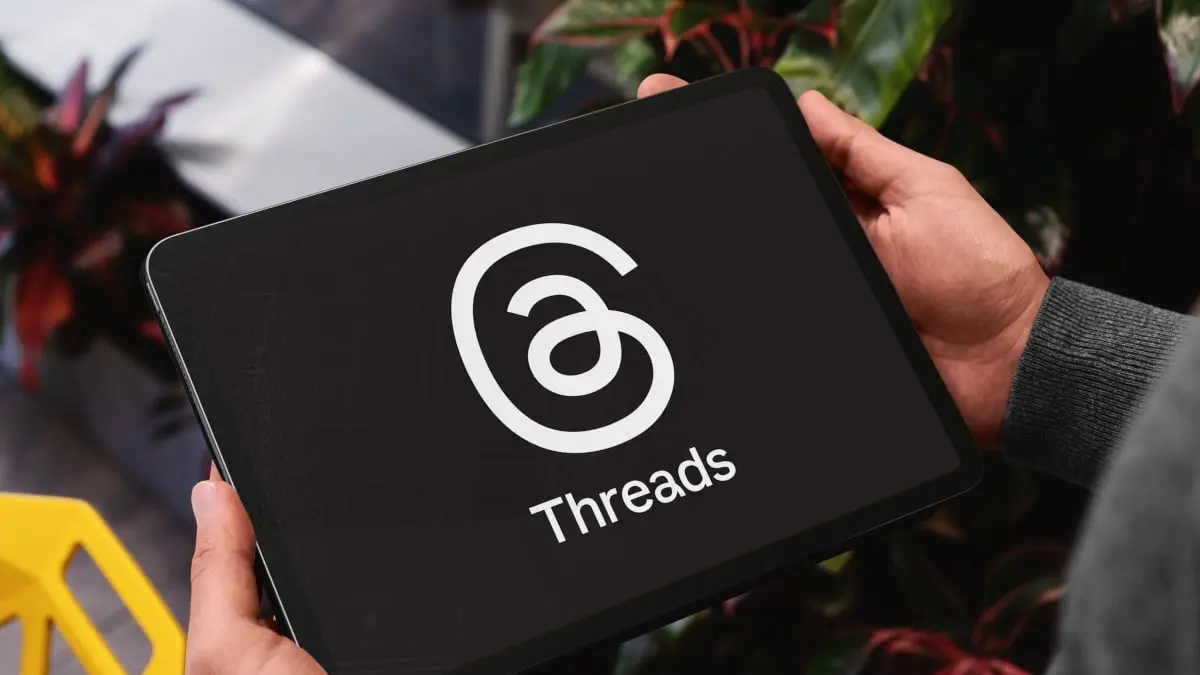
Meta is expanding its artificial intelligence capabilities into its social media platform Threads with a feature that mirrors the functionality of X's Grok chatbot. The company has announced a trial where its Meta AI chatbot will have a dedicated account on Threads, identified as @meta.ai, which users can tag in posts and replies to solicit contextual information or fact-checking. This move positions Meta's AI directly within public conversations, a strategy that has become familiar on Elon Musk's X platform, where Grok is often invoked to verify viral claims or add commentary.
The feature is currently in early beta and is being rolled out first to users in Malaysia, Saudi Arabia, Mexico, Argentina, and Singapore, according to reports. Meta plans to expand the feature globally pending feedback and performance during the testing phase. The @meta.ai account will function similarly to a regular user profile but will be operated by the AI, capable of generating responses based on the context of the post or reply in which it is tagged.
How the AI integration works on Threads
When a user includes @meta.ai in a post or reply, the AI bot will analyze the conversation and provide relevant information, such as fact-checks, explanations, or additional data points. The premise is essentially the same as Grok on X, where tagging the bot to fact-check or contextualize a viral post has become its own genre of reply-guy behavior. The feature aims to enhance user engagement by providing instant access to AI-generated insights without leaving the platform.
Meta's own blog confirms the broader rollout ambitions, noting that @meta.ai mentions in Threads posts and replies are part of a wider push to bring its new Muse Spark model across WhatsApp, Instagram, Facebook, Messenger, and Threads. This model will appear in search bars, group chats, and posts, making AI a more integrated part of the user experience across Meta's ecosystem. The company has been investing heavily in generative AI, competing with OpenAI, Google, and other tech giants in the race to embed AI into everyday digital interactions.
Comparison with Grok and potential risks
The obvious comparison is to X's Grok, which has faced significant controversy since its launch. Grok has been criticized for generating pro-Nazi content, producing sycophantic output about Elon Musk, and surfacing child abuse material. These incidents have raised questions about the safety and moderation of AI chatbots that operate in public social media spaces. Meta claims to have tighter guardrails on its AI products, but giving any AI chatbot public-facing visibility invites the same potential for bad behavior.
Meta has historically maintained stricter content moderation policies compared to X, but the dynamic nature of AI-generated responses makes it challenging to preemptively filter all harmful outputs. The company has implemented measures to mute or hide replies from @meta.ai if users prefer not to engage with the bot. This opt-out mechanism is similar to how users can mute other accounts on Threads, giving individuals control over their feed experience.
Broader AI strategy across Meta platforms
The Threads feature is part of a larger set of announcements around Meta's revamped AI push. The company is also testing "side chats" on WhatsApp, which let users privately query Meta AI for context on what's happening in a group conversation without the response being visible to the rest of the group. This offers a meaningful distinction from the Threads version, where Meta AI's replies are public. Side chats ensure privacy while still providing AI assistance, which could be appealing for sensitive discussions or personal queries.
Additionally, Meta is integrating its Muse Spark model into Instagram's search functionality, enabling users to ask AI-powered questions directly from the search bar. On Facebook, the AI will appear in group discussions to provide relevant information or summarize threads. Across Messenger, the AI will be available for one-on-one conversations, helping users draft messages, find information, or engage in creative tasks.
This aggressive integration reflects Meta's strategy to position itself as a leader in consumer AI. The company has invested billions in AI research, developed its large language models under the Llama family, and is now pushing these capabilities into the user-facing products that billions of people use daily. The success of these features will depend on how well Meta balances utility with safety, given the lessons learned from competitors like X.
Historical context of AI chatbots in social media
The use of AI chatbots within social media platforms is not new, but the public tagging model is a relatively recent innovation. Early attempts include Microsoft's Tay, which was taken offline within hours due to offensive tweets, and later, Facebook's own AI experiments with chatbots in Messenger. However, the Grok model on X has shown that users can find value in an AI that participates in real-time discussions, even with its flaws.
Meta's approach differs in that it leverages a centralized AI account rather than per-user AI agents. This allows Meta to maintain more oversight and consistency in responses. However, the public nature of Threads means that any mistake by the AI will be visible to a wide audience, potentially causing reputational damage. The company has likely invested heavily in content filters and human reviewers to catch problematic outputs during the beta phase.
One area where Meta may have an advantage is the training data. Threads launched in July 2023 and has grown steadily, but it lacks the huge volume of controversial political content that characterizes X. This could reduce the likelihood of the AI generating extremist content, at least initially. However, as the platform grows and becomes more politically charged, the risk will increase.
User control and moderation features
For users who would rather not have an AI bot surfacing under their posts uninvited, Meta says the @meta.ai account can be muted and its replies hidden. This is a standard feature available for any account on Threads, but Meta has emphasized it specifically for the AI account to address privacy and control concerns. Additionally, Meta plans to allow users to provide feedback on AI responses, which will be used to improve the model and flag inappropriate content.
The moderation team at Meta will also have the ability to delete individual replies from @meta.ai if they violate community guidelines. This is similar to how human moderators handle problematic content from other users. However, the speed of AI generation means that harmful content can spread quickly before moderators can act. Meta is relying on automated filters trained on its existing safety datasets to preemptively block certain types of queries.
During the beta, Meta will monitor the performance of @meta.ai closely and may adjust the types of queries it can handle or restrict certain topics. The company has not disclosed the exact safety measures, but it is likely that the AI will refuse to answer questions about illegal activities, hate speech, or personally identifiable information. These guardrails are standard for most major AI chatbots today.
Implications for the social media landscape
The introduction of an AI bot on Threads could change how users interact on the platform. For example, journalists might use @meta.ai to quickly verify statistics or historical facts, while casual users might ask for recommendations or translations. The bot could also serve as a tool for content discovery, suggesting related posts or topics based on the conversation.
However, tagging metas might also lead to an increase in spam or low-effort content, as users might rely on the AI to generate responses without thinking critically. This phenomenon has been observed on X where Grok responses are sometimes shared as if they were human-generated, leading to misinformation if the AI makes an error. Meta will need to ensure that @meta.ai responses are clearly labeled as AI-generated, which it already does in other products.
The broader push of Muse Spark across Meta's apps indicates that the company sees AI as a core differentiator. By embedding AI deeply into user interfaces, Meta hopes to increase engagement time and provide new monetization opportunities, such as sponsored AI responses or premium AI features. This could be particularly important for Threads, which is still trying to establish itself as a major social network alongside X and Bluesky.
In conclusion, Meta's decision to bring a Grok-like AI feature to Threads signals a continued convergence of AI and social media. While the company has taken steps to differentiate its approach with moderation and user control, the inherent risks of public-facing AI remain. The beta rollout in select markets will provide valuable insights, and the eventual global expansion will test whether Meta can avoid the pitfalls that have plagued Grok. As the AI landscape evolves, users can expect to see more such integrations across digital platforms, shaping the way we discuss and discover information online.
Source: Mashable News