
Why tourism recovery is changing the sports industry worldwide is becoming one of the most interesting shifts in global business and entertainment. As international travel rebounds and fans start moving across borders again, sports is no longer just about local supporters filling stadiums. It’s about global audiences turning matches into travel experiences, and cities turning sporting events into economic engines. What you’re seeing now is a deeper connection between mobility, spending patterns, and entertainment demand that didn’t exist at this scale a few years ago.
The surprising part is how quickly sports organizations had to adapt. Some adjusted smoothly, others are still catching up.
Tourism recovery is changing the sports industry worldwide by increasing international fan travel, boosting event-driven economies, and turning sports events into global tourism experiences. In 2026, sports revenue growth depends heavily on travel demand, destination branding, and fan experience outside stadiums.
Sports Tourism is the movement of fans or participants across regions or countries to attend or engage with sporting events while combining travel, leisure, and cultural experiences.
What Is Tourism Recovery’s Impact on the Sports Industry Worldwide?
Tourism recovery refers to the return of international travel demand after periods of disruption, restrictions, or reduced mobility. When applied to sports, it changes how events are planned, where they are hosted, and how fans engage with teams and tournaments.
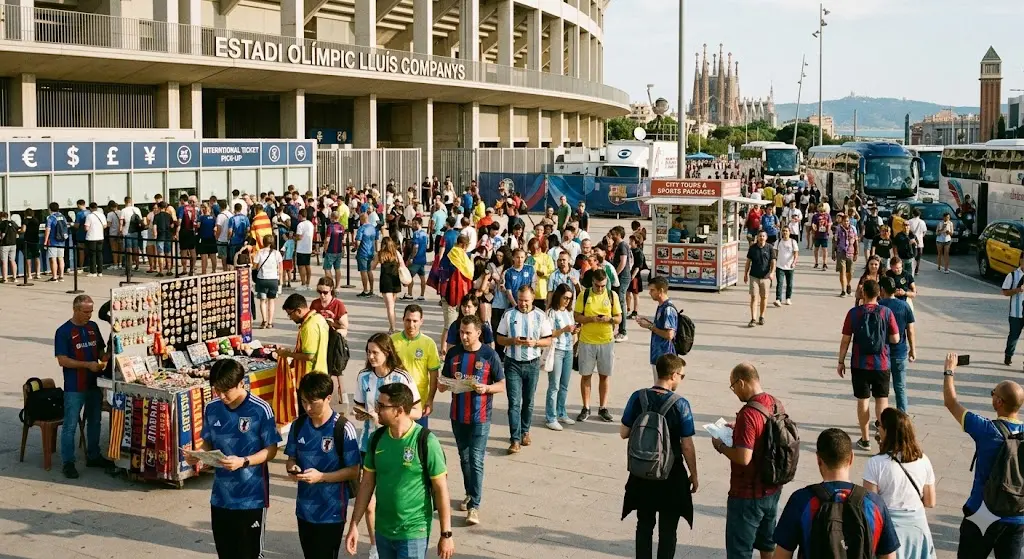
Here’s the thing. Sports used to be strongly tied to local identity. You supported your home team, maybe traveled a few hours for big matches, and that was it. Now, things look completely different. Fans are crossing continents just to attend games, sometimes even following entire tournament seasons.
From what I’ve seen, this shift isn’t only about sports passion. It’s about experience-driven travel. People want the match, sure, but they also want the city, the atmosphere, the culture, and the story they can share afterward.
Global mobility research on tourism and entertainment spending shows that events now function as hybrid experiences, combining sport, travel, and lifestyle consumption in one package.
Why Does Tourism Recovery Matter in 2026 for the Sports Industry?
In 2026, tourism recovery matters because sports has quietly become one of the strongest drivers of international travel again. Stadiums are not just local gathering points anymore; they’re global meeting spaces.
What most people overlook is how powerful traveling fans actually are for local economies. A domestic fan might spend on a ticket and transport. An international fan spends on flights, hotels, restaurants, and tourism activities before and after the match.
Let me be direct. Sports today is less about selling tickets and more about selling destinations.
I’ve personally noticed something interesting while observing event-driven tourism patterns. Cities that invest in fan experience beyond the stadium often outperform those that focus only on the sporting event itself. It’s not always the biggest or most famous events that generate the strongest impact; sometimes it’s the best-designed experiences around them.
Expert Tip
If you’re analyzing sports growth, don’t just track match attendance. Track how long visitors stay in the city. Longer stays usually mean stronger tourism-sports integration.
How Tourism Recovery Is Reshaping the Sports Industry Step by Step
The transformation of sports through tourism recovery follows a clear pattern that many organizations are now beginning to recognize.
1. Sports events are becoming travel destinations
Instead of being standalone competitions, major events are designed as full travel experiences that encourage fans to visit cities for multiple days.
2. International fan mobility is rising quickly
Fans are no longer limited by geography. They are traveling across countries and continents to attend matches, especially finals and major tournaments.
3. Hospitality and sports are merging
Hotels, airlines, and travel planners are increasingly integrating sports packages, turning games into complete tourism products.
4. Cities are competing for sports tourism
Local governments now see sports events as economic recovery tools that can attract global attention and spending.
5. Events are being extended into tourism seasons
Instead of single-day matches, some regions are clustering events to keep visitors longer and increase tourism revenue.
Common Mistake or Misconception
A common misunderstanding is that only major global cities benefit from sports tourism. In reality, smaller cities often gain proportionally more because even moderate tourist inflows can significantly boost their economies. Bigger cities absorb tourism more easily, while smaller destinations feel the impact more sharply.
Expert Tips and What Actually Works in Sports Tourism Growth
From my experience, the biggest difference between successful and average sports tourism strategies is not the quality of the sport itself, but the design of the experience around it.
I once followed a case where a regional sports event was paired with local cultural festivals, street markets, and guided city experiences. The matches were enjoyable, but what really drove economic impact was everything outside the stadium. Visitors stayed longer, spent more, and returned in later years.
Here’s my honest opinion. Many sports organizations still underestimate how much fans value the “between moments” of their trip. The journey to the stadium, the local food, the cultural immersion—those things often matter just as much as the game.
What actually works is coordination between sports bodies, tourism operators, and city planners. When those systems align, sports becomes more than entertainment; it becomes a long-term economic cycle.
Expert Tip
Pay attention to how cities design transport and accessibility during major events. If moving around feels easy, visitors naturally spend more time and money exploring.
A Counterintuitive Shift in Sports Tourism
Here’s something that might sound surprising. Smaller or less globally popular sports are sometimes benefiting more from tourism recovery than mainstream leagues.
Why? Because they offer more authentic, less crowded experiences. Travelers increasingly want unique cultural sports encounters rather than overcrowded mega-events. This creates space for niche tournaments, regional competitions, and emerging sports markets to attract international visitors.
That shift is subtle, but it’s growing steadily in multiple regions.
Real-World Style Insight: When Tourism Changes the Game
Imagine a coastal city hosting a major sports tournament. Fans don’t just arrive for the match; they arrive days earlier. They explore beaches, try local cuisine, attend fan events, and stay after the final game just to experience the city.
Now multiply that behavior across thousands of visitors. The sports event becomes the trigger, but tourism becomes the real engine of economic activity.
Another scenario involves seasonal sports regions where international visitors now book extended stays just to experience multiple events in one trip. What used to be a weekend visit becomes a full travel cycle.
Honestly, I didn’t expect this level of integration between sports and tourism a few years ago. It feels like the boundaries between entertainment, travel, and cultural experience are slowly dissolving.
People Most Asked About Why Tourism Recovery Is Changing the Sports Industry Worldwide
How does tourism recovery affect sports revenue?
Tourism recovery increases sports revenue by bringing international visitors who spend on accommodation, food, transport, and entertainment in addition to tickets, creating multiple income streams around a single event.
Why are sports events becoming travel experiences?
Sports events now combine entertainment with cultural exploration, encouraging fans to travel longer distances and engage with cities beyond the stadium experience.
Which sports benefit most from tourism growth?
Global tournaments, football leagues, tennis championships, and multi-sport international events benefit most because they attract diverse international audiences and longer travel stays.
Do smaller cities benefit from sports tourism?
Yes, smaller cities often see stronger relative impact because even moderate increases in visitors can significantly boost local economies and visibility.
Is sports tourism a long-term trend?
It is likely to continue growing as travel becomes more accessible and fans increasingly seek experience-based entertainment rather than isolated events.
How do fans influence tourism-driven sports growth?
Fans drive growth by traveling internationally, spending on local experiences, and sharing their journeys digitally, which encourages more global participation.
Why tourism recovery is changing the sports industry worldwide comes down to one major shift: sports is no longer confined to local stadiums or national audiences. It has become part of global travel behavior, where fans move, spend, and experience events as part of broader tourism journeys. As this connection strengthens, sports organizations that understand travel-driven demand will likely lead the next phase of global sports growth.
Businesses aiming to strengthen digital presence can benefit from combining press release distribution services with digital marketing services to enhance brand visibility, improve SEO ranking, and generate high authority backlinks. These solutions support instant publishing across global platforms while increasing organic traffic, media coverage, and long-term authority for startups, agencies, and enterprises looking to scale effectively in competitive markets.