

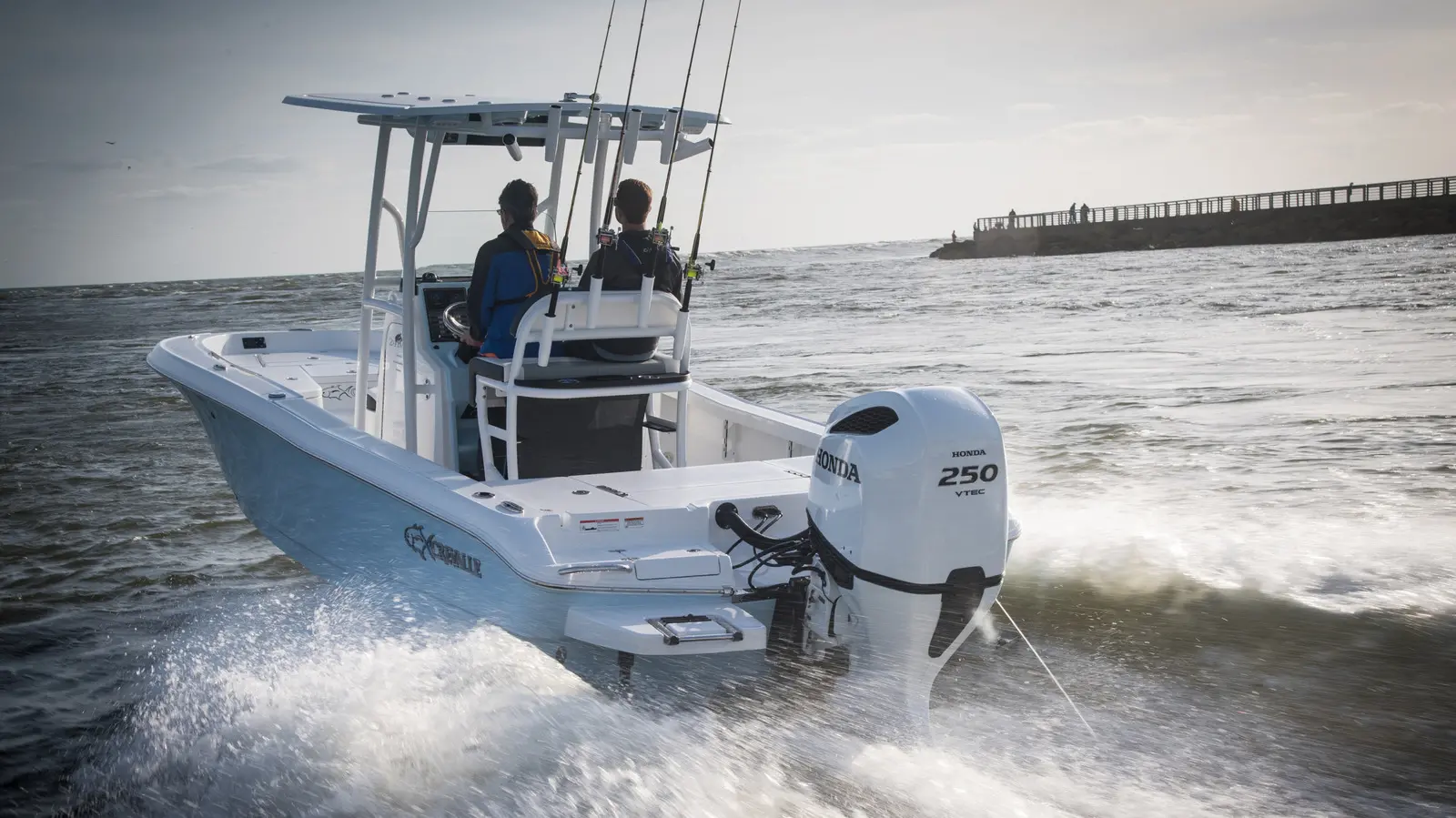
Compared to a car engine, a marine engine — especially an outboard motor — leads a remarkably harsh existence. Subjected to constant moisture, saltwater corrosion, and relentless jostling from waves, an outboard motor faces challenges that would quickly destroy an automotive power plant. While a car engine's lifespan is typically measured in hundreds of thousands of miles, an outboard motor&8217;s life is gauged in hours of operation, much like a lawnmower or tractor. This fundamental difference stems from the unique operating environment and the stresses placed on marine engines.
In the past, the typical outboard motor would only survive about 800 to 1,000 hours before requiring major overhaul or complete rebuild. However, technological advances have dramatically changed this picture. Modern outboards, especially those from leading manufacturers like Yamaha, Mercury Marine, and Honda, now boast lifespans measured in thousands of hours. This improvement is the result of better materials, more efficient combustion, advanced corrosion protection, and refined engineering.
For the average recreational boater who uses their boat for weekend fishing, water sports, or leisurely cruising, a gas-powered outboard engine will typically run for about 1,500 hours before needing significant work. This figure can vary widely based on maintenance practices, operating conditions, and the quality of the engine. Engines used in saltwater environments, for example, tend to wear faster than those used exclusively in freshwater due to increased corrosion and mineral buildup.
One of the most critical factors determining outboard motor longevity is consistent and thorough maintenance. Engines that are serviced according to manufacturer schedules — with regular oil changes, spark plug replacements, fuel filter changes, and cooling system checks — can easily surpass 3,000 to 5,000 hours. Some professional operators, such as commercial fishermen or tour boat captains, report their engines reaching 8,000 hours or more with meticulous care. This parallels the automotive world, where a well-maintained Toyota Camry or Ford F-150 can achieve 300,000 to 400,000 miles.
Modern outboard engines have also become more resistant to corrosion thanks to improved alloys, anodizing processes, and sacrificial anodes. Four-stroke outboards, which have largely replaced two-stroke models in many applications, run cleaner and more efficiently, reducing carbon deposits and extending time between overhauls. Direct fuel injection systems, variable valve timing, and computerized engine management further enhance reliability and performance.
Warranty offerings reflect the confidence manufacturers have in their products. Honda, for example, provides a five-year warranty for commercial outboard engines covering catastrophic defects, and this warranty is transferable to subsequent owners. Mercury Marine offers warranties up to three years for its high-performance outboards. These guarantees underscore the improvements in durability and build quality. However, manufacturers stress that adherence to maintenance schedules is non-negotiable to keep warranties valid and ensure long engine life.
Another key factor is the type of usage. Engines that run at consistent speeds for long periods, such as those used for trolling or long-distance cruising, tend to last longer than those frequently subjected to rapid acceleration and deceleration. Proper break-in procedures during the first 10 to 20 hours, including varying engine speeds and avoiding full throttle, also play a crucial role in long-term reliability.
Fuel quality matters too. Ethanol-blended gasoline can attract moisture and cause phase separation, leading to corrosion and fuel system problems. Many boat owners now use ethanol-free fuel or add stabilizers to protect their engines. Additionally, flushing the engine with fresh water after each saltwater use is essential to remove salt crystals that can damage internal components.
In recent years, manufacturers have introduced advanced features like corrosion-resistant thermostats, stainless-steel water pumps, and multi-layer paint systems. Some outboards now come with integrated GPS and diagnostic systems that monitor engine health in real time, alerting operators to potential issues before they become serious. These innovations have pushed the average lifespan even higher.
Despite all these improvements, neglect remains the number one enemy of outboard longevity. A motor that is not winterized properly, stored without fuel stabilizer, or operated with dirty oil will fail far sooner than expected. Simple practices like changing the gearcase oil annually, replacing the water pump impeller every two to three years, and inspecting the propeller for damage can add years to an engine&8217;s life.
For those considering purchasing a used outboard, a thorough inspection including a compression test, lower unit oil check, and evaluation of the cooling system is recommended. Engines with documented maintenance histories are far more valuable than those without. Many boaters find that a well-cared-for outboard can outlast the boat it is mounted on, providing years of reliable service.
In summary, the average lifespan of an outboard motor has grown significantly from the 800–1,000 hours of the past to 1,500 hours or more for typical recreational use, and potentially thousands more for diligent owners. The key to achieving maximum life is consistent maintenance, proper operation, and protection from the elements. While no engine lasts forever, modern outboards offer remarkable durability when treated with care. The sea may be unforgiving, but with the right practices, your outboard can keep running smoothly for many seasons to come.
Source: SlashGear News